Winter is Alaska’s quiet season. There are fewer crowds and lower hotel rates, the snow is reliable, and in the Interior the northern lights show up on most clear nights. You do have to plan around short days and real cold.
Disclosure: this page contains affiliate links, marked with /go/. If you book or buy through them, we may earn a commission at no extra cost to you. Read our affiliate disclosure.
Daylight and temperatures
- Anchorage gets about 5.5 hours of daylight at the December solstice. Winter temperatures are often in the teens and twenties °F, with cold snaps lower.
- Fairbanks gets under 4 hours of daylight at the solstice, and temperatures of −20°F to −40°F are normal in deep winter.
- By March, both cities get more than 11 hours of daylight. Many visitors find it the best month for a winter trip.
Top winter experiences
- Northern lights in Fairbanks, Chena Hot Springs, and farther north. See the aurora guide.
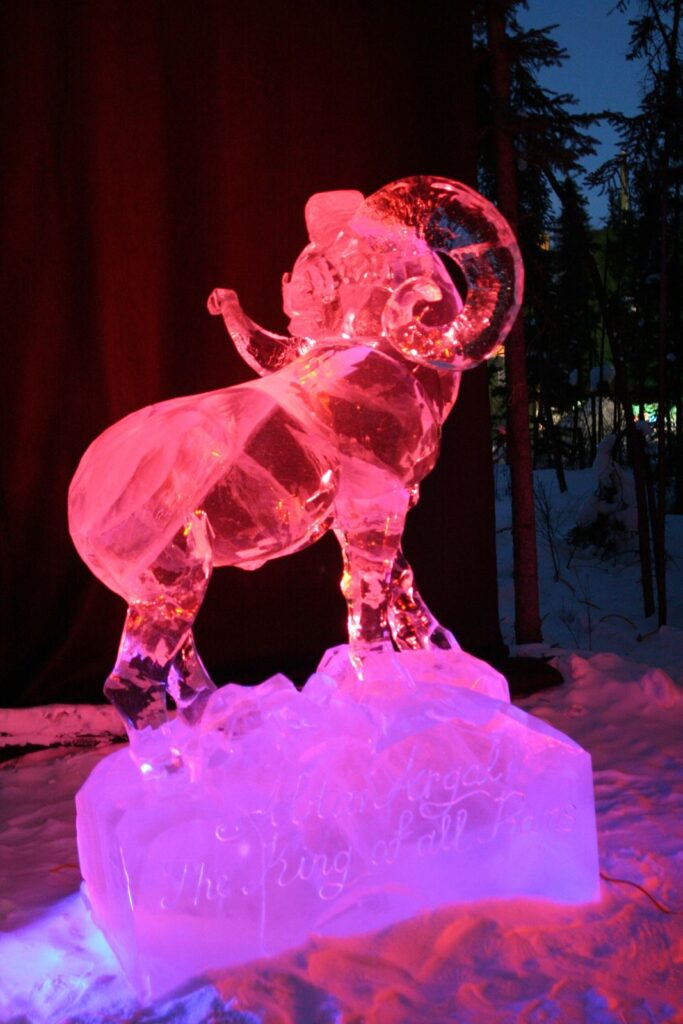
- World Ice Art Championships (Fairbanks): carvers from around the world sculpt huge blocks of local ice. Ice Alaska’s 2027 competition schedule runs from February 15 to early March, and the sculpture park typically stays open into late March. Confirm hours at icealaska.com.
- Fur Rendezvous (Anchorage): scheduled February 25 to March 7, 2027, with sled dog sprint races, a carnival, and quirky local events (Visit Anchorage).
- Iditarod ceremonial start: scheduled for March 6, 2027 in downtown Anchorage (Iditarod). More in our dog sledding guide.
- Hot springs: Chena Hot Springs near Fairbanks.
- Aurora Winter Train: the Alaska Railroad’s weekend winter service between Anchorage and Fairbanks. See Alaska Railroad.
Book a tour (affiliate) Winter tours on GetYourGuide
Affiliate widget: we may earn a commission if you book, at no extra cost to you. Tours, prices and ratings are shown by GetYourGuide and are not AK Adventure reviews. About our affiliate links.
Skiing and snow sports
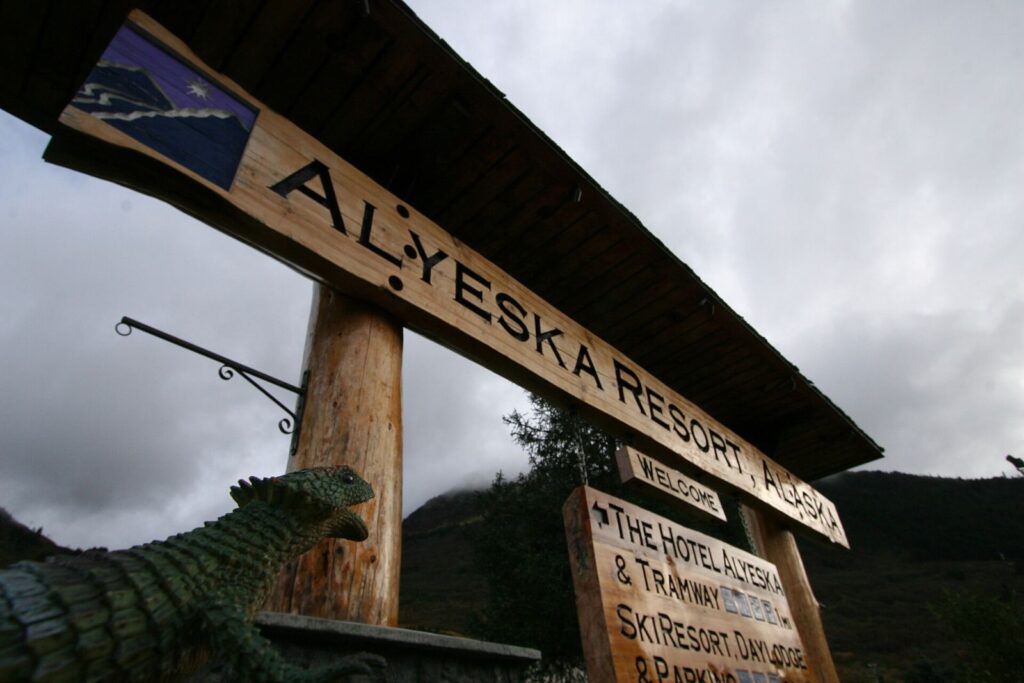
- Alyeska Resort (Girdwood): Alaska’s largest ski area, about 40 miles south of Anchorage. It has steep terrain, views over Turnagain Arm, and an aerial tram.
- Nordic skiing: Anchorage has a large network of groomed and lit trails, including Kincaid Park and the Tony Knowles Coastal Trail. Fairbanks has trails at the University of Alaska and Birch Hill.
- Heli-skiing and backcountry skiing around Valdez, Haines, Girdwood, and Hatcher Pass. Avalanche terrain is serious, so check the Chugach National Forest Avalanche Information Center and hire guides unless you’re trained.
- Snowmachine (snowmobile) and fat-bike tours from Fairbanks, Talkeetna, and the Mat-Su Valley.
- Ice fishing on stocked lakes around Fairbanks and the Mat-Su, sometimes in heated huts.
Driving in winter
Rent a car with winter tires, and carry a winter survival kit: warm clothing, blankets, food, water, a shovel, and a phone charger. Check Alaska 511. Many rural services close for the season, so plan fuel stops. In Fairbanks, cars need block heaters plugged in overnight, and hotels usually provide outlets.
What to wear
Layers, layers, layers: wool or synthetic base layers, fleece, a heavy down or synthetic parka (insulated jackets at REI), insulated boots rated well below zero, mittens over liner gloves, a warm hat, and a neck gaiter. Full list: winter packing list.