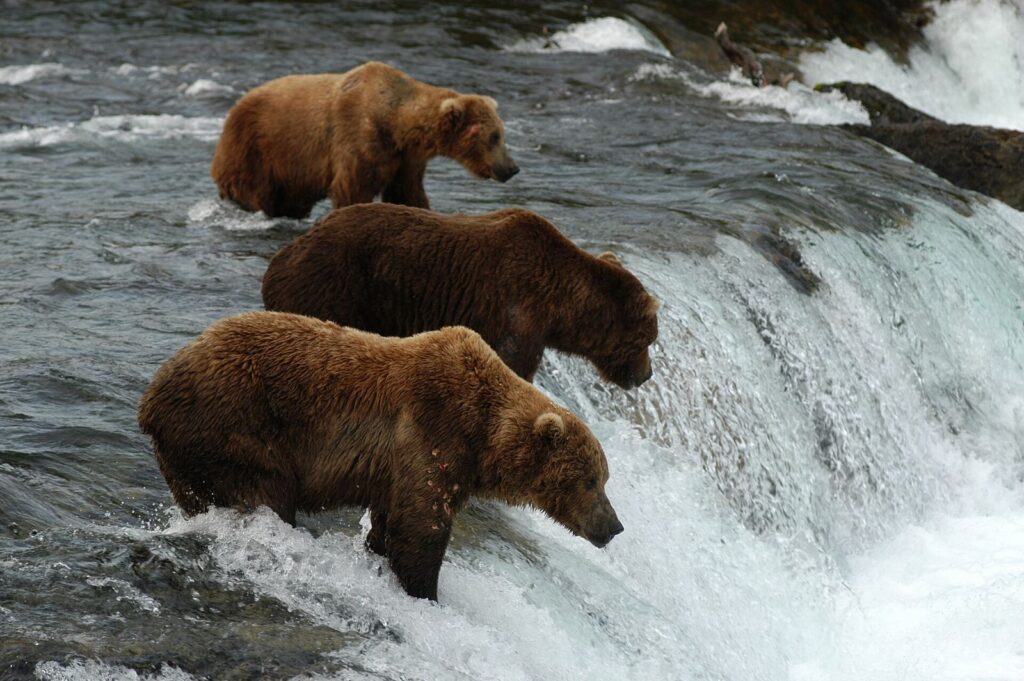
Watching coastal brown bears catch salmon, or flying past the icefalls of the Alaska Range in a small plane, is often the most expensive day of an Alaska trip. Plenty of travelers say it’s also the most memorable. Here’s how the main options work, according to the parks that manage them.
Disclosure: this page contains affiliate links, marked with /go/. If you book or buy through them, we may earn a commission at no extra cost to you. Read our affiliate disclosure.
Katmai National Park: Brooks Falls
Katmai National Park and Preserve on the Alaska Peninsula is home to roughly 2,200 brown bears. Brooks Camp, with its famous viewing platform at Brooks Falls, is the best-known place to see them. There are no roads. Most visitors arrive by floatplane, often via King Salmon or on day trips from Anchorage, Homer, or Kodiak. Key details from the NPS Brooks Camp page:
- Season: NPS visitor services at Brooks Camp run from June 1 to mid-September.
- Timing: bear activity at the falls peaks in July, when sockeye salmon jump the falls. September brings bears back to the lower river to fatten up before winter. June and August usually have far fewer bears at the falls (NPS bear watching).
- Rules: every visitor must attend a bear safety orientation on arrival. The Falls platform holds a limited number of people, and when there’s a waitlist, visits are limited to about an hour.
- Cost reality: as one example, Rust’s Flying Service listed its 2026 Anchorage–Brooks Falls day trip at over $1,300 per person. Lodging at Brooks Lodge and the campground is limited and books up far ahead.
Can’t make it? The Brooks Falls bear cams stream live in summer and run the annual Fat Bear Week contest.
Lake Clark National Park: Silver Salmon Creek and Chinitna Bay
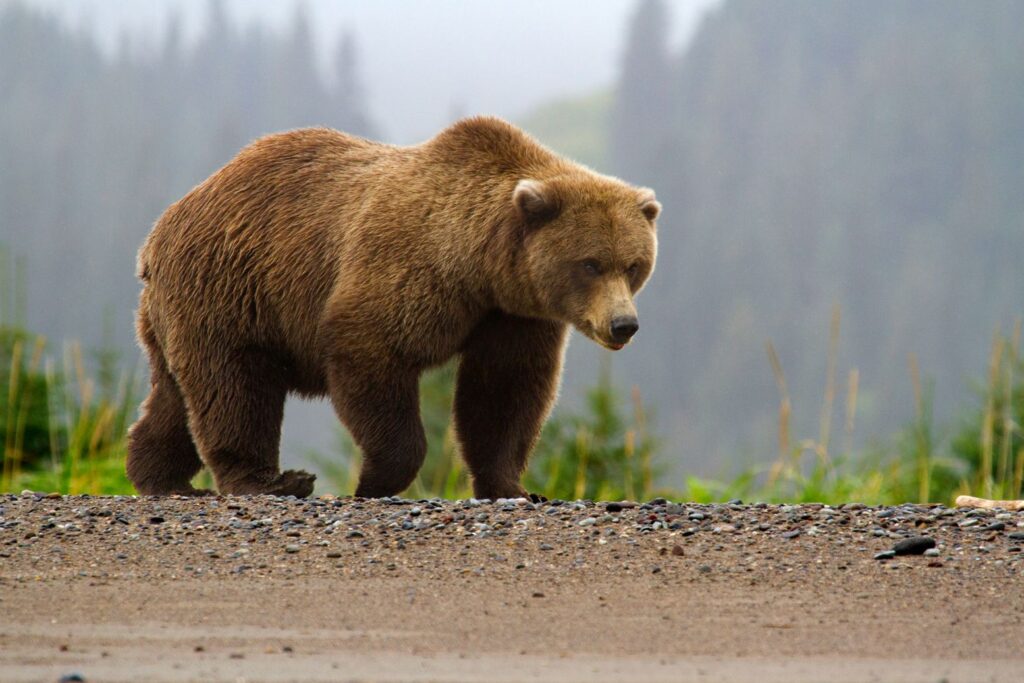
Across Cook Inlet from Homer and Kenai, the coastal meadows of Lake Clark National Park offer some of the most reliable bear viewing in Alaska. Most trips are short flights that land on the beach. According to the NPS, the main viewing season at Silver Salmon Creek and Chinitna Bay runs from about mid-June to early September. In early summer, bears graze on sedges and dig clams on the tidal flats. In late summer, they fish for salmon. All commercial operators need a park permit, so ask to see one.
Book a tour (affiliate) Flightseeing tours on GetYourGuide
Affiliate widget: we may earn a commission if you book, at no extra cost to you. Tours, prices and ratings are shown by GetYourGuide and are not AK Adventure reviews. About our affiliate links.
Other bear-viewing options
- Day fly-outs from Anchorage, Homer, Kenai, and Soldotna to coastal sites in Katmai and Lake Clark.
- Denali bus trips often spot grizzlies on the tundra from a safe distance (see the Denali guide).
- Southeast Alaska has managed viewing sites such as Anan Wildlife Observatory near Wrangell and Pack Creek on Admiralty Island near Juneau. Both require permits in peak season.
Compare packages on Viator’s Alaska bear-viewing tours.
Flightseeing
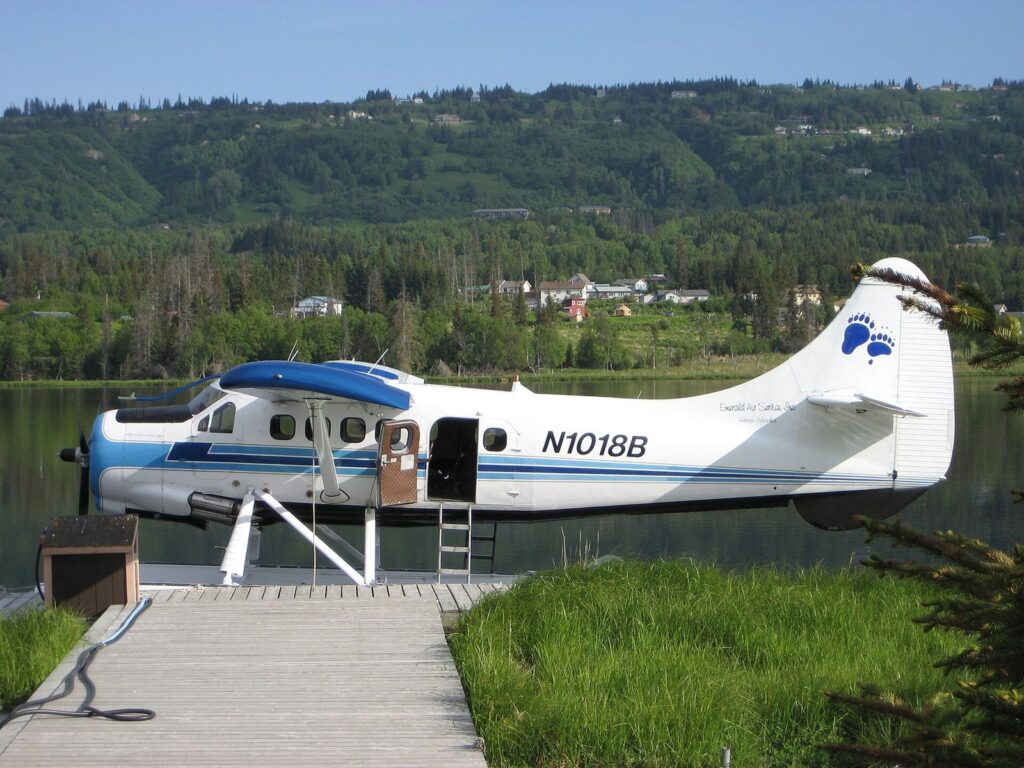
- Denali and the Alaska Range from Talkeetna or the park entrance. Many flights offer an optional glacier landing (see our Denali guide for 2026 price examples). Compare Denali flightseeing tours.
- Glacier and icefield flights from Anchorage, Seward, Juneau, and Ketchikan. Ketchikan floatplanes fly over Misty Fjords National Monument.
- Arctic flights from Fairbanks over the Brooks Range, sometimes combined with the Arctic Circle (see the Arctic guide).
Tips for small-plane trips
- Weather comes first. Flights are often delayed or canceled, so schedule your fly-out early in the trip and keep a backup day.
- Most operators have weight and baggage limits and may ask your body weight to balance the aircraft.
- Wear waterproof boots for beach landings. Some operators provide hip waders.
- Bring layers, rain gear, a lens of at least 200mm for bears, and snacks.
- Never approach bears, and follow your guide’s instructions at all times. In Katmai, NPS rules require you to stay at least 50 yards from bears (100 yards from a sow with cubs).